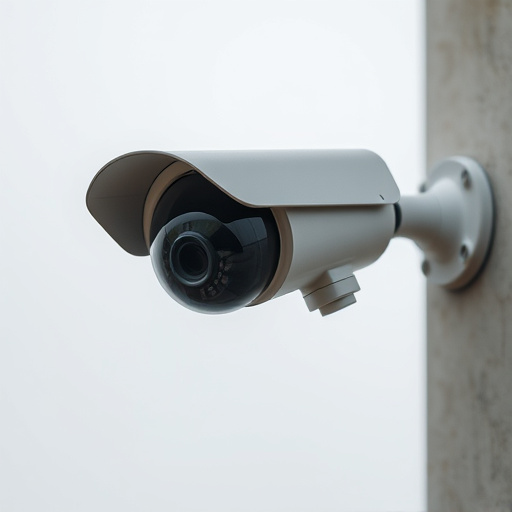
Strategic placement of fake security cameras at various angles near entry points, valuable items, and windows deters theft by mimicking real surveillance systems, creating an illusion of constant monitoring that challenges criminals' assumptions of impunity.
Convincing decoy cameras are revolutionizing prevention strategies against theft. This article explores how strategically placed fake security camera angles can deter criminals, offering a cost-effective alternative to real surveillance equipment. From decoy types and visual disruption to psychological impacts and effective coverage of blind spots, learn how to maximize deterrent effects. Uncover the power of strategic fake security camera placement angles in today’s digital era.
- Strategic Placement for Maximum Deterrence
- Decoy Camera Types and Visual Disruption
- Angles That Mimic Real Surveillance Equipment
- Psychological Impact on Potential Thieves
- Effective Coverage: Blind Spots and Common Targets
Strategic Placement for Maximum Deterrence
Strategic placement of decoy cameras is key to maximizing their deterrence against theft. These fake security cameras should be positioned in areas most vulnerable to theft, such as entry points, high-value item displays, and narrow alleys or passageways where a thief could easily escape. Mounting them at different angles—from overhead to eye level—creates the appearance of a fully equipped surveillance system, making potential thieves think twice before attempting any illicit activity.
Consider placement that provides clear line-of-sight but also allows for hidden viewing angles. Strategically positioning decoys near windows or in locations where natural light is abundant can make them less conspicuous while still maintaining their deterrent effect. Additionally, grouping several decoy cameras together creates a more convincing security presence, further discouraging would-be thieves.
Decoy Camera Types and Visual Disruption
Decoy cameras come in various types, each designed with unique features for maximum visual disruption and deterrence. Some mimic real security cameras with lifelike appearances, complete with LED indicators that flash like a real lens. Others are more subtle, featuring motion-activated sensors that trigger lights or sounds when triggered, catching potential thieves off guard.
Placement angles are key to the effectiveness of these decoys. Strategically positioning them in areas where theft is common—such as near entry points, in alleys, or behind merchandise displays—can significantly deter criminals. Fake security camera placement should be random and unpredictable, mimicking legitimate surveillance systems that monitor every angle, making it difficult for thieves to identify real cameras among the decoys.
Angles That Mimic Real Surveillance Equipment
To maximize their deterrent effect, decoy cameras must be strategically placed at angles that mimic real security equipment placement. Traditional surveillance cameras are often positioned at eye level or slightly elevated to capture clear footage of a wide area. Therefore, fake security cameras should also be mounted at these common heights to appear authentic. By replicating these specific angles, the decoys create an illusion of genuine surveillance, deterring potential thieves from targeting the protected area.
Furthermore, the positioning should consider natural lines of sight within the environment. For instance, placing a decoy camera near windows or entry points, where it can be seen by individuals outside, reinforces the perception of active security monitoring. This strategic placement angles and visual cues are key to making these fake cameras an effective deterrent against theft.
Psychological Impact on Potential Thieves
The mere presence of decoy cameras can significantly alter a potential thief’s psychology. These fake security cameras, strategically placed with realistic designs and subtle angles, create an illusion that deters criminal activity. When criminals perceive that they are being watched, even by non-functional devices, their sense of impunity is diminished, leading to increased caution. This psychological effect is potent because it challenges the assumption that theft can go unnoticed, unpunished, or undetected.
The strategic placement angles of these decoy cameras play a crucial role in reinforcing this deterrent message. By mimicking real camera placements and viewpoints, they create an environment where every corner is seemingly covered, making it harder for would-be thieves to identify weak points in the security setup. This deceptive strategy not only discourages immediate theft attempts but also acts as a continuous reminder of potential consequences, further discouraging criminal behavior.
Effective Coverage: Blind Spots and Common Targets
Decoy cameras, strategically placed, offer a powerful deterrent against theft. Their effectiveness lies in covering blind spots and targeting common areas where criminals might strike. By simulating real surveillance, these fake security camera placement angles disrupt would-be thieves’ strategies. They provide an illusion of comprehensive monitoring, making it harder for perpetrators to identify vulnerable points in a property’s security setup.
Focus on high-risk zones like entryways, windows, and valuable asset areas. Proper placement ensures that even if real cameras are not visible, the presence of decoys adds an extra layer of protection. This clever approach leverages the psychological impact of perceived surveillance, significantly reducing the likelihood of successful theft attempts.
Fake security cameras, strategically placed with consideration of angles that mimic real surveillance equipment, offer a powerful deterrent against theft. By combining various decoy camera types and visual disruption tactics, businesses can create an environment where potential thieves feel constantly observed, reducing the likelihood of criminal activity. Effective coverage, including addressing blind spots and common targets, amplifies the psychological impact on would-be perpetrators, making them think twice before attempting any dishonest acts.