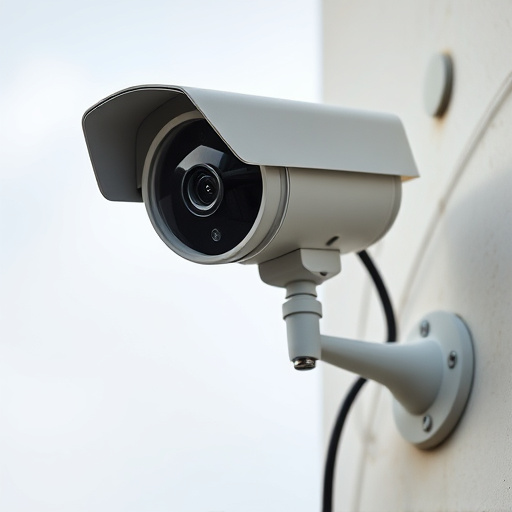
In today's digital age, fake security cameras pose a significant challenge due to their realistic appearances and deceptive placement angles, which can mislead intruders and authorities. To enhance actual security, these cameras should be strategically placed at subtle angles, mimicking genuine surveillance systems. However, incorrect positioning may create blind spots, infringe on privacy rights, and lead to legal issues, as many jurisdictions have strict data protection laws. Homeowners and business owners must consider both ethical and legal implications when deploying fake security cameras, looking for visual cues like odd angles, lack of motion sensors, poor image quality, or signs of tampering to identify counterfeit products.
“In today’s digital age, home security is a top priority, leading many to consider advanced surveillance systems. However, an alarming trend has emerged with the proliferation of fake security monitoring devices—imitation cameras designed to look real but lacking essential functionality. This article navigates the intricate world of these impostor setups, offering insights into their placement angles (common locations include front doors and windows), benefits and drawbacks, legal implications, and crucial tips for identifying them. Stay informed and secure in our digital era.”
- Understanding Fake Security Monitoring Devices
- Common Placement Angles for Fake Cameras
- Benefits and Drawbacks of Using Fake Security Cameras
- Legal Implications and Ethical Considerations
- Tips for Spotting Fake Security Camera Setups
Understanding Fake Security Monitoring Devices
Understanding Fake Security Monitoring Devices
In today’s digital era, where security is paramount for both homes and businesses, fake security monitoring devices have emerged as a concerning trend. These deceptive setups often take the form of fake security cameras, strategically placed to mislead potential intruders or even law enforcement. The placement angles of these fake security cameras are crucial; they may appear to monitor key areas but offer no actual surveillance functionality. Often, they are designed to look realistic, from their casing to the display, luring unsuspecting individuals into a false sense of security.
However, it’s important for folks to be aware that these devices often lack essential components required for monitoring, such as proper connectivity and data storage. This creates a labyrinthine situation where even if an intruder is caught on camera, the footage may not be retrievable or usable for evidential purposes. As a professional, navigating this landscape requires vigilance and understanding the nuances of fake security setups to ensure true security measures are in place.
Common Placement Angles for Fake Cameras
When setting up fake security cameras, positioning them at common placement angles is key to enhancing security perception and deterring potential intruders. Typically, these cameras are installed at eye-level or slightly above, mimicking the standard height of real surveillance equipment. This strategic angle allows for clear visual coverage while remaining relatively hidden, making it a popular choice for both indoor and outdoor spaces.
For outdoor areas, placing fake cameras near entry points like doors, windows, and gates is particularly effective. Indoor setups might include positioning them in corridors, living rooms, or near valuable assets. The goal is to create the illusion of comprehensive surveillance, which can significantly impact an individual’s or property owner’s sense of security.
Benefits and Drawbacks of Using Fake Security Cameras
Using fake security cameras, strategically placed at various angles, can significantly enhance home or business security in several ways. For starters, they act as a powerful deterrent to potential intruders due to their visible presence, which may discourage unlawful activities before they even begin. Fake cameras also offer peace of mind by providing an added layer of protection and making it appear that a real surveillance system is in operation. This can be particularly beneficial for areas with a history of break-ins or for businesses seeking to safeguard valuable assets.
However, there are drawbacks to consider. While fake security cameras can be cost-effective, they may not always fool determined thieves who could quickly realize the difference between reality and deception. Additionally, improper placement angles might leave blind spots that could be exploited by criminals. It’s crucial to ensure these devices are positioned accurately to maximize their effectiveness; otherwise, they might provide a false sense of security.
Legal Implications and Ethical Considerations
While a fake security monitoring device setup might seem like a creative deterrent or prank, it’s essential to consider the legal implications and ethical concerns that arise from its use. The placement of fake cameras, especially at subtle angles, can lead to a false sense of security for homeowners or business owners, potentially misleading people into believing they are under constant surveillance. This could foster a culture of mistrust and invade privacy, as individuals might feel their actions are constantly being watched.
From a legal standpoint, the use of fake cameras may violate data protection laws and privacy rights, especially if they capture or store footage without clear consent. In some jurisdictions, there are strict regulations regarding video surveillance, including requirements for visible notices indicating camera presence and explicit consent from individuals under observation. Using fake cameras could result in severe penalties and legal repercussions, not to mention potential lawsuits for breach of privacy.
Tips for Spotting Fake Security Camera Setups
Fake security cameras, while designed to look real, often give away their false nature through subtle visual cues. One of the first things to look for is the placement angles; genuine security cameras typically point downwards, covering a broad area with a clear view of doors, windows, and common entry points. Be suspicious if you see a camera aimed at odd angles or focusing on specific objects rather than providing comprehensive coverage.
Additionally, fake setups might lack crucial features like motion sensors, night vision capabilities, or high-resolution images. They may also exhibit poor image quality, inconsistent lighting, or obvious signs of tampering, such as visible wires or uneven mounting. Keep an eye out for these red flags, as they could indicate a low-quality or counterfeit product meant to deceive rather than protect.
Understanding the prevalence of fake security monitoring devices, recognizing common placement angles like those discussed, and being aware of both the benefits and drawbacks can empower individuals and businesses alike. Knowing how to spot these setups, with key tips provided in this article, is crucial for maintaining genuine security measures. In light of the legal and ethical considerations surrounding their use, it’s important to navigate this landscape thoughtfully and responsibly.