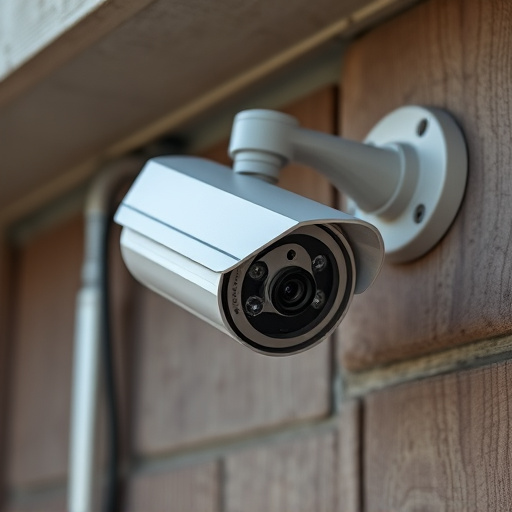
Strategically placing fake security cameras on walls (eye-level), ceilings (panoramic view), and floors (deterrent) enhances security perception by signaling a watchful presence while maintaining discreet appearances to avoid obvious placement and blind spots, creating an effective deterrent for intruders.
“Maximize your home or business’s security with strategic dummy surveillance camera placement. This guide offers invaluable insights into enhancing your safety system without breaking the bank. We’ll explore essential tips on understanding basic camera angles for comprehensive coverage, identifying optimal spots on walls, ceilings, and floors, and strategically placing cameras as visual deterrents. Discover how to create an effective yet discreet security network with our expert recommendations on fake security camera placement angles.”
- Understanding Basic Camera Angles for Maximum Coverage
- Choosing Optimal Placement Spots: Walls, Ceilings, and Floors
- Visual Deterrents: Strategizing Discreet Yet Effective Locations
Understanding Basic Camera Angles for Maximum Coverage
Understanding basic camera angles is key to achieving maximum coverage with dummy surveillance cameras. Front-facing cameras capture a clear view of entrances and exits, while top-down cameras offer an overview of wide areas like parking lots or corridors. Side angle cameras are ideal for monitoring doors, windows, or specific entry points.
By strategically placing these fake security cameras at different heights and directions, you can create a layered defense that deter potential intruders. Remember, the goal is to provide comprehensive visibility, making it appear as if your property is under constant surveillance, even when real cameras are not present.
Choosing Optimal Placement Spots: Walls, Ceilings, and Floors
When considering dummy surveillance camera placement, one must strategically choose spots that mimic genuine security setup angles. Optimal locations often include walls, ceilings, and floors, offering versatile options for simulating a comprehensive security system. On walls, cameras placed at eye level or slightly elevated provide a natural field of view, covering common entry points and areas of interest. Ceiling-mounted cameras offer a panoramic view, ideal for open spaces, while floor-level cameras can capture details in low-hanging areas.
Each placement has its advantages. Wall-mounted cameras blend seamlessly into the environment, while ceiling cameras provide unobstructed sightlines. Floor cameras, less obvious but still effective, can deter potential intruders by indicating an active security presence. Choosing the right angles and locations ensures these dummy cameras serve their purpose, enhancing the perceived security of any space without the actual need for functional devices.
Visual Deterrents: Strategizing Discreet Yet Effective Locations
When strategically placing dummy surveillance cameras, or fake security cameras, the goal is to create a visual deterrent that appears realistic and credible. Position them in angles that mimic genuine camera installations—on walls, ceilings, or near entry points—to give the impression of constant surveillance. Avoid obvious placement by varying heights and viewpoints; this makes it harder for potential intruders to know where real cameras might be hidden.
Think about areas with blind spots, such as corners or behind structures, where actual cameras could provide coverage. Discreetly positioning dummy cameras in these locations reinforces the idea of a comprehensive security system. Remember, the key is to make them look authentic while maintaining their false nature—a delicate balance that can significantly deter crime.
When strategically placing dummy surveillance cameras, understanding basic camera angles, choosing optimal spots on walls, ceilings, and floors, and utilizing visual deterrents can significantly enhance security while maintaining a discreet appearance. By implementing these tips, you can create an effective surveillance network that serves as a powerful deterrent to potential intruders. Remember, the key is to strike a balance between visibility and subtlety for maximum impact.