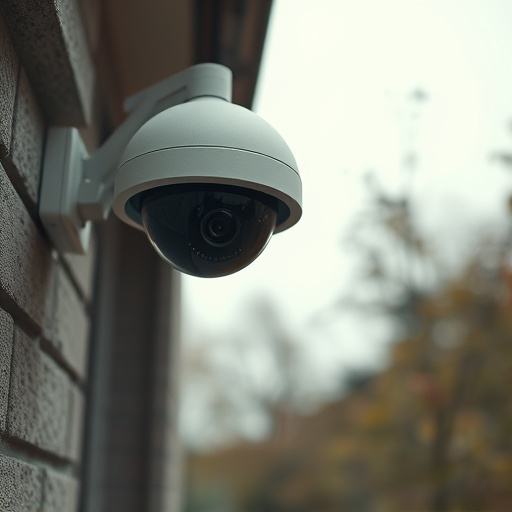
Designing realistic fake security cameras involves understanding and mimicking genuine placement angles, including wall, ceiling, or vegetation mounting, to enhance realism. Precise heights, gaze directions, and occasional movements deter intruders. Shells should blend with surroundings using matching materials, textures, and LED indicators. Creative disguise techniques, like heat signature simulations and motion-activated alerts, mislead potential criminals, providing extra time for response teams.
In the ever-evolving realm of security, ensuring effective surveillance is a constant pursuit. One innovative approach gaining traction is the realistic security camera shell design, aiming to fool even the most vigilant eyes. This article explores the art of masking security systems, delving into critical design considerations and creative disguise techniques. By understanding the subtle nuances of fake security camera placement angles, we can enhance overall security measures, making it easier to detect and deter potential threats.
- Understanding Fake Security Camera Placement Angles
- Design Considerations for Realistic Shells
- Enhancing Security with Creative Disguise Techniques
Understanding Fake Security Camera Placement Angles
Understanding where and how fake security cameras are placed is a crucial aspect of designing a realistic shell for real-life applications. Criminals often exploit common placement angles and patterns, so mimicking these can enhance realism. Fake cameras should be mounted at various heights, aiming in different directions—not all pointing outwards as one might expect. This includes angled installations on walls, ceilings, or even disguised within vegetation or structures nearby.
A genuine-looking shell must account for these variations to avoid raising suspicions. By studying real security arrangements, you can create a more convincing simulation, ensuring the camera positioning appears natural and unremarkable, thereby increasing the overall effectiveness of the deception.
Design Considerations for Realistic Shells
When designing realistic security camera shells, consideration should be given to both aesthetics and function. The placement angles of fake security cameras are crucial; they must mimic genuine surveillance equipment positioning for maximum effect. This includes mounting heights, camera gaze directions, and even occasional movements to prevent pattern recognition by potential intruders.
The shell design itself should blend seamlessly with its environment. Using materials that match the surroundings—be it metal, plastic, or stone—is essential. Textures and subtle imperfections add realism, ensuring the camera doesn’t stand out as an obvious fake. Additionally, incorporating LED indicators that mimic real camera activity can further enhance the illusion.
Enhancing Security with Creative Disguise Techniques
In the realm of security, creative disguise techniques are revolutionizing surveillance methods. By employing innovative tactics to hide or simulate security cameras, organizations can significantly enhance their overall security posture. One effective approach involves strategic fake security camera placement angles. This tactic leverages strategically positioned decoy cameras to mislead potential intruders. These faux devices can be crafted to mimic the appearance and movement of real cameras, creating a deceptive environment that discourages malicious activities.
Furthermore, creative disguise techniques extend beyond mere visual deception. They encompass advanced technologies like heat signature simulations and motion-activated audio alerts, adding layers of complexity for would-be perpetrators. Such methods not only deter crimes but also provide crucial time for response teams to intervene. This multifaceted approach ensures that even if a potential intruder identifies an actual camera, they’ll be met with a sophisticated network designed to thwart their attempts.
In conclusion, understanding fake security camera placement angles is key to enhancing physical security. By designing realistic security camera shells and employing creative disguise techniques, we can significantly deter potential threats. These strategies, combined with proper positioning, offer a multi-layered approach to secure spaces, ensuring peace of mind in today’s digital age.